by Dennis Crouch
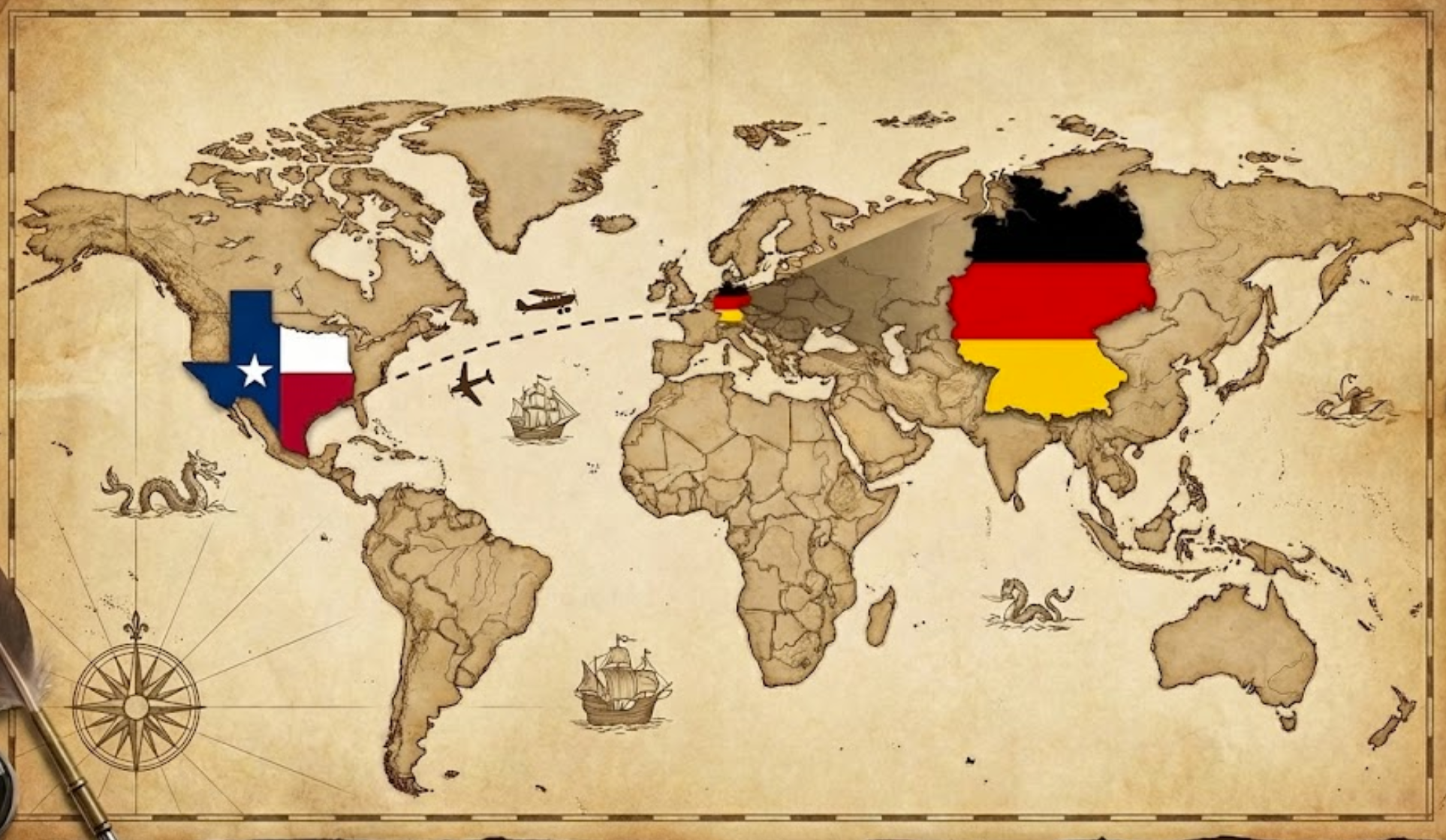
An interesting international patent issue is stirring regarding when it is appropriate for one nation's courts to pass judgment on patents issued in other countries. A key pending case involves Onesta IP, who has obtained a number of U.S. and foreign GPU-related patents from AMD. Onesta argues that BMW's vehicles equipped with Qualcomm Snapdragon chips in their infotainment head units infringe the patents. However, rather than suing in U.S. Court, Onesta sued in a Munich regional court, asserting infringement of a European patent alongside two U.S. patents (Nos. 8,854,381 and 8,443,209). That German case is ongoing, but BMW responded by filing a declaratory judgment action in the Western District of Texas, and Judge Alan D. Albright promptly granted an ex parte temporary restraining order preventing Onesta from seeking an anti-anti-suit injunction in the German proceedings. BMW v. Onesta IP, LLC, No. 6:25-cv-00581 (W.D. Tex. Dec. 16, 2025). That TRO was extended on December 30, 2025, with a preliminary injunction hearing scheduled for January 13, 2026. This post looks at the European jurisdictional shift that enabled Onesta's strategy, BMW's defensive response through the U.S. anti-suit injunction, and whether this changed international landscape should prompt reconsideration of the limits U.S. courts have placed on their own authority to adjudicate foreign patent claims.