by Dennis Crouch
The War Industry (formerly Defense) heavily invests in new technology and patents. But, we see very few patent infringement lawsuits. A key reason is 28 U.S.C. § 1498. That statute channels patent infringement claims involving government-authorized work away from private defendants and into the U.S. Court of Federal Claims, with the United States as the sole defendant (and a reasonable royalty as the only remedy). For government contractors and subcontractors, § 1498 operates as a powerful shield: if the infringing activity was performed "for the Government" and "with the authorization or consent of the Government," the patent holder's only remedy is a compensation action against the United States. The contractor walks free. This design reflects a deliberate policy choice. The government pays heavily for technology development with taxpayer dollars and, in exchange, retains control as the key point person - and it allows the administration to resolve patent disputes as it sees fit.
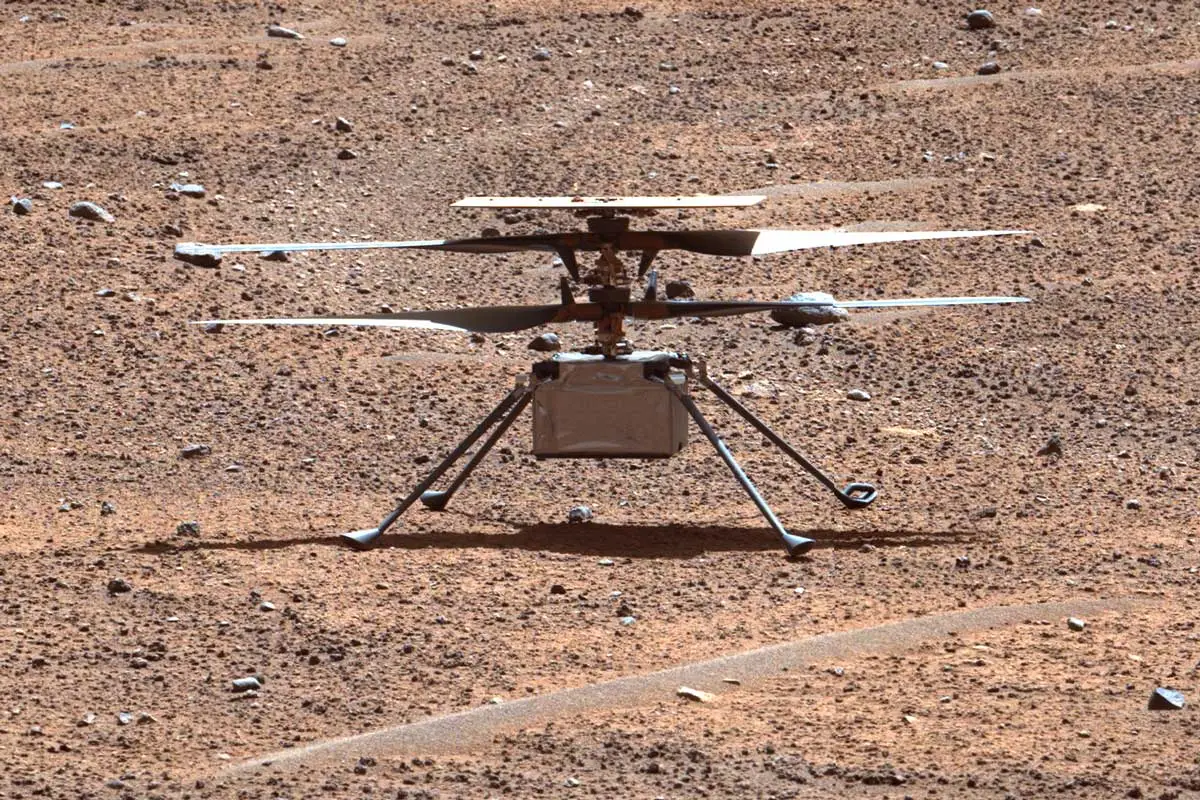
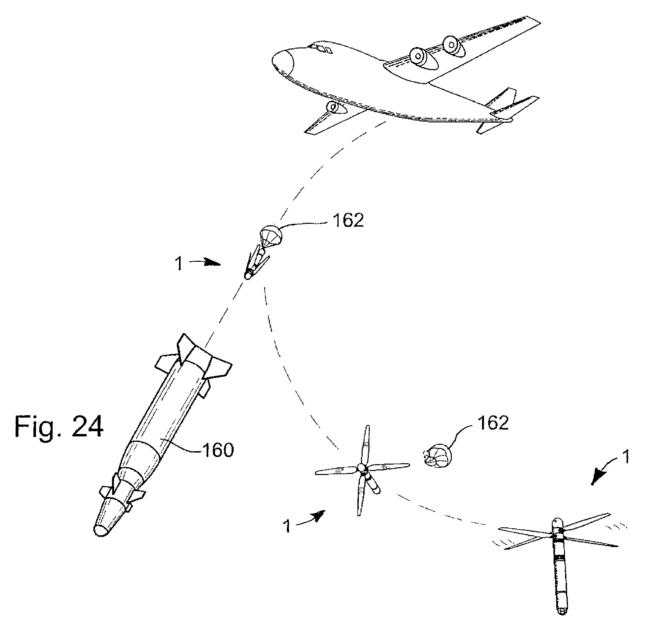
In Arlton v. AeroVironment, Inc., No. 2021-2049 (Fed. Cir. Feb. 2026) (nonprecedential), the Federal Circuit affirmed summary judgment shielding AeroVironment from patent infringement liability under § 1498 for its work developing NASA's Ingenuity Mars helicopter and a terrestrial copy called "Terry." The Arltons — co-inventors and co-owners of U.S. Patent No. 8,042,763, covering a counter-rotating coaxial rotor UAV — had developed the underlying technology under Small Business Innovation Research (SBIR) contracts with the military. When the government declined to award them follow-on work and instead contracted with AeroVironment through JPL and NASA, the Arltons sued AeroVironment for infringement.